
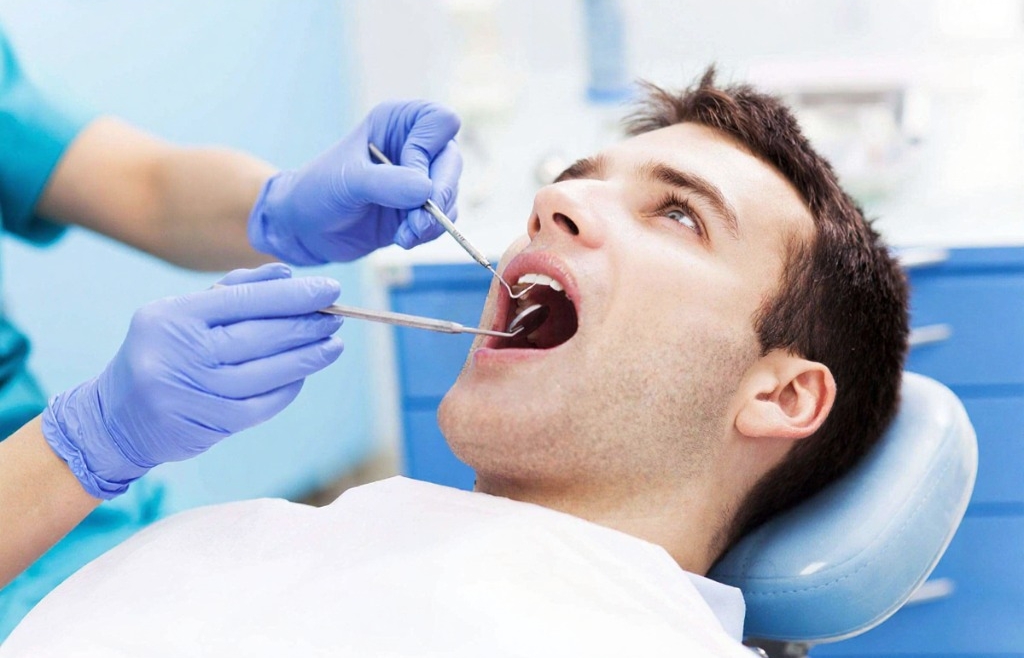
Helping you feel calm, comfortable, and confident during dental care
For many people, dental anxiety can be a real barrier to getting the care they need. Whether it’s fear of pain, sensitive teeth, or even just the sounds and sights of dental tools, it’s common to feel nervous before an appointment. That’s where oral sedation comes in — a simple, effective way to help you relax during dental procedures without needles or IV lines.
In this guide, we’ll explain the basics of oral sedation, the medication options commonly used, and how your dentist determines what’s right for you.
What Is Oral Sedation Dentistry?
Oral sedation involves taking a prescription medication by mouth prior to your dental appointment to help calm anxiety and make treatment more comfortable. You remain awake and can respond to your dentist, but feel relaxed and less stressed about the procedure.
Unlike nitrous oxide (laughing gas) or intravenous (IV) sedation, oral sedation is taken as a pill or liquid before your visit, making it a convenient option for many patients.
How Oral Sedation Medications Work
Oral sedation medications are often benzodiazepines — a class of drugs that calm the central nervous system. These medications vary in strength, how quickly they work, and how long they last. Your dentist chooses the right one based on your level of anxiety, the type of procedure, your medical history, and how quickly you want to recover.
Common Oral Sedation Medications
Here are some of the medications dentists may use for oral sedation, along with how they’re typically used:
1. Diazepam (Valium)
Often used for moderate sedation and longer procedures, Diazepam is a well‑known medication with calming and amnesic properties (meaning it can reduce or erase memory of the procedure). It has a longer duration in your system, so you may feel relaxed well after your appointment.
2. Triazolam (Halcion)
Triazolam works more quickly and is typically used for short to moderate procedures or for patients with significant dental anxiety. It produces sedation while allowing you to remain conscious and relaxed.
3. Midazolam (Versed)
Midazolam is another fast‑acting sedative that helps reduce anxiety and may have amnesic effects. It’s often chosen when a smoother onset or shorter duration is desirable.
4. Lorazepam (Ativan)
Lorazepam is commonly used when anxiety is a dominant concern. It helps decrease fear and stress and may also produce a calming effect that lasts through the procedure.
5. Other Options
Medications like zaleplon (Sonata) or antihistamines such as hydroxyzine may also be used in specific cases — especially for mild anxiety or when benzodiazepines aren’t appropriate.
Choosing the Right Medication for You
Your dentist will consider several important factors when deciding which oral sedation medication is best:
✔ Level of Anxiety
Mild nervousness may require a gentler option, while more intense fear might call for a stronger sedative.
✔ Procedure Length and Complexity
Longer or more involved treatments might need a medication with a longer effect or stronger relaxing properties.
✔ Medical History and Medications
Your dentist will review your health history and current medications to avoid interactions or side effects.
✔ Recovery Preferences
Some medications wear off more quickly, allowing you to return to normal activities sooner, while others may have lingering calming effects.
Safety and What to Expect
Oral sedation is typically very safe when prescribed and monitored by an experienced dental professional. You’ll usually take the medication about an hour before your appointment, and you may feel sleepy or relaxed during treatment. Most patients have little to no memory of the procedure afterward.
Because sedation can make you drowsy, most dentists recommend arranging for someone to drive you home afterward.
Oral Sedation vs. Other Sedation Options
While oral sedation is a great choice for many people, it’s not the only form of dental sedation:
-
Nitrous Oxide (Laughing Gas): Quick‑acting, mild sedation, ideal for patients who want minimal sedation and immediate recovery.
-
IV Sedation: Stronger sedation that’s delivered through a vein — often used for more intense dental anxiety or complex procedures.
Your dentist will recommend the best option based on your comfort, health needs, and the type of treatment you’re receiving.
Final Thoughts
Choosing the right oral sedation medication can make a big difference in your dental experience — especially if anxiety has kept you from getting the care you deserve. There isn’t a “one‑size‑fits‑all” choice; the best medication is the one that meets your unique needs and comfort level.
Talk openly with your dentist about your fears, medical history, and preferences. Together, you can find the right sedation approach so your next dental visit is calm, comfortable, and stress‑free.
Would you like tips on how to prepare for a sedation dental appointment or what to expect afterward? I can create a helpful checklist for you!