
Your smile is one of your most important features — it helps you eat, speak, laugh, and connect with others. But losing teeth can have far‑reaching effects on your health, confidence, and quality of life. The good news? Tooth loss is largely preventable, and many of the steps you can take to protect your smile are simple habits you can start today.
Why Tooth Loss Happens
Tooth loss doesn’t just happen “out of the blue.” The most common causes include:
-
Cavities and decay that weaken the tooth structure.
-
Gum disease (periodontitis), which destroys the gums and bone that support your teeth.
-
Injury or trauma to the mouth.
-
Lifestyle factors, such as smoking and poor nutrition.
Understanding these causes is the first step toward keeping your natural teeth for life.
1. Master Daily Oral Hygiene Habits
The foundation of preventing tooth loss is a strong home care routine:
Brush Twice a Day
Use a soft‑bristle toothbrush and fluoride toothpaste to remove plaque from all tooth surfaces. Brushing prevents decay and helps protect your gums.
Clean Between Teeth Daily
Flossing or using interdental brushes removes bacteria and food particles where a toothbrush can’t reach, reducing gum disease risk.
Rinse and Hydrate
Rinsing with water after meals and drinking plenty of water throughout the day helps wash away bacteria and supports saliva production — a natural defender against decay.
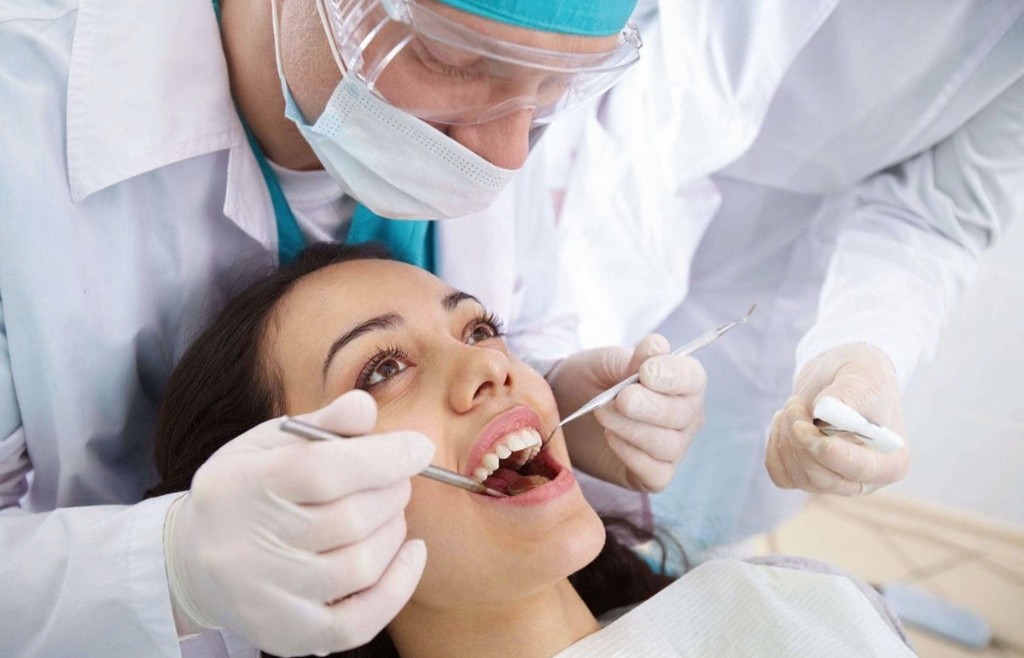
2. Don’t Skip Regular Dental Visits
Professional care is a key part of prevention:
-
Routine exams help catch early signs of decay or gum disease before they threaten your teeth.
-
Professional cleanings remove tartar — hardened plaque your toothbrush can’t eliminate.
-
Dental professionals can also recommend personalized steps based on your oral health needs.
Many serious problems are easiest to treat when they’re caught early — long before tooth loss becomes a threat.
3. Make Smart Lifestyle Choices
Everyday habits have a big impact on your oral health:
Limit Sugary Foods and Drinks
Sugary and starchy foods fuel the bacteria that cause decay. Reducing these and choosing healthier alternatives helps protect your enamel and gum tissue.
Quit Tobacco
Smoking and tobacco use are strongly linked to gum disease and tooth loss. Eliminating tobacco can significantly improve oral health.
Protect Your Teeth
If you play contact sports or grind your teeth at night, wearing a custom mouthguard helps prevent injury and loosening of teeth.
4. Watch for Warning Signs
Tooth loss doesn’t always happen suddenly. Look for early signals that something may be wrong:
-
Red, swollen, or bleeding gums
-
Persistent bad breath
-
Loose or shifting teeth
-
Pain when chewing
If you notice any of these, don’t wait — contact your dentist. Early intervention can preserve teeth that might otherwise be lost.
5. Support Your Body With Good Nutrition
A balanced diet rich in vitamins and minerals supports healthy teeth and gums. Calcium, vitamin D, and phosphorus help strengthen enamel and bone, while crunchy fruits and vegetables can help clean teeth naturally.
6. Work With Your Dental Team on Personalized Prevention
Everyone’s mouth is different. Your dental professional can tailor a prevention plan just for you that may include:
-
Specialized fluoride treatments
-
Dental sealants to protect vulnerable surfaces.
-
Professional guidance on at‑home tools and techniques
Proactive dental care means not just reacting to problems — preventing them in the first place.
Final Thoughts
Tooth loss doesn’t have to be an inevitable part of aging. With consistent oral care habits, regular professional check‑ups, smart lifestyle choices, and early attention to warning signs, you can significantly reduce your risk of losing teeth and enjoy a healthy, confident smile for life.
Your smile is worth protecting — and there’s a lot you can do to keep it strong.